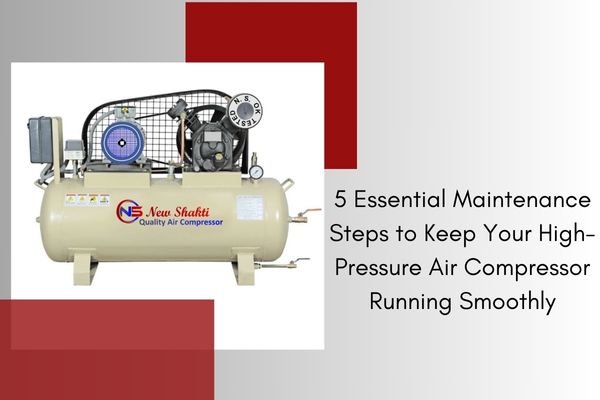

Air Compressor Pressure Loss: Causes, Calculations & Solutions
Introduction: Understanding Pressure Loss in Air Compressors
In industrial settings, consistent air pressure is critical for operational efficiency. Pressure loss occurs when the air delivered by the compressor is lower than the required pressure at the point of use.
Even small pressure drops can:
- Reduce tool and machine performance
- Increase energy consumption
- Cause frequent compressor cycling
- Wear down air compressor spare parts
Proper understanding and control of pressure loss are essential for industrial efficiency and safety.
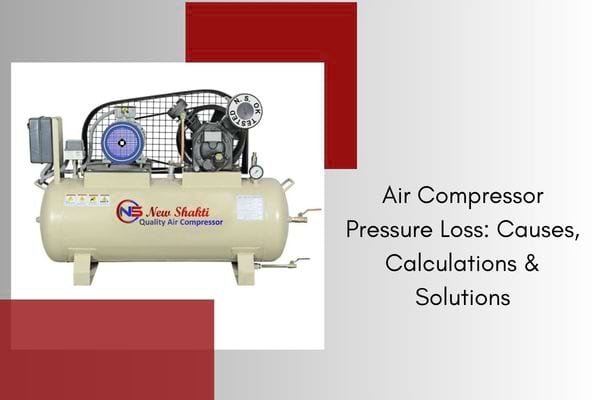
Common Causes of Air Compressor Pressure Loss
1. Improper Piping Design
Narrow pipes, long distances, sharp bends, or dead ends create resistance, reducing airflow and causing pressure drops.2. Air Leaks
Leaks in joints, hoses, fittings, or valves are a major cause. Even a tiny leak can waste significant energy over time.3. Undersized Air Receiver Tanks
Insufficient storage capacity fails to buffer pressure fluctuations, causing frequent compressor cycling.4. Dirty or Clogged Filters
Air intake filters, inline filters, and dryers restrict airflow if not cleaned regularly.5. Excessive Compressor Load
Compressors running at higher capacity than needed generate heat and energy waste, increasing pressure drop in the system.How to Calculate Pressure Loss
Pressure loss can be measured in PSI or Bar. The formula commonly used is:
Pressure Loss (ΔP) = Pressure at Compressor Outlet – Pressure at Point of Use
Other methods include:
- Using flow meters and pressure gauges along the pipeline
- Conducting system audits to detect high-loss sections
Regular monitoring allows manufacturers and industrial operators to maintain optimal airflow and energy efficiency.
Solutions to Minimize Pressure Loss
1. Optimize Piping Layout
- Use correct pipe diameter
- Reduce bends and dead-ends
- Create looped pipelines for uniform airflow
2. Seal All Leaks
- Inspect joints, hoses, valves, and fittings
- Replace worn air compressor spare parts
- Use high-quality seals recommended by your compressor manufacturer
3. Install Adequate Air Receiver Tanks
Larger or multiple tanks help maintain stable pressure, reduce cycling, and improve compressor lifespan.
Read our blog: Air Receiver Tank Sizing: How to Calculate the Right Capacity for Your Compressor System
4. Maintain Filters & Dryers
Regular cleaning and replacement of filters ensures airflow is unrestricted. Moisture and contaminants are removed before reaching tools or machinery.
5. Use Pressure Regulators
At point-of-use, regulators prevent overpressure and stabilize output for efficient operation.
Benefits of Reducing Pressure Loss
- ✅ Increased system efficiency
- ✅ Lower energy bills
- ✅ Reduced wear on high pressure air compressors
- ✅ Longer service life of compressor spare parts
- ✅ Consistent operation across industrial applications
Proper design, maintenance, and monitoring are the keys to sustainable compressed air performance.
Why Choose a Manufacturer-Recommended System
Partnering with a trusted air compressor manufacturer and supplier ensures:
- Correctly sized air receiver tanks
- Genuine spare parts for all components
- Expert system design and installation support
Explore our industrial solutions:
👉 Industrial Air Compressors & Spare Parts
Interested in Our
Air Compressor & Spare Parts
Explore our extensive range of Industrial Compressor, including service and a robust support network, along with genuine Compressor Spare Parts designed to fulfill your exact requirements.
Get Best QuoteConclusion: Pressure Stability Is Efficiency
Minimizing pressure loss is a simple yet powerful way to improve compressed air system performance. By combining optimized piping, receiver tanks, filters, and regulators, industries can save energy, reduce downtime, and extend equipment life.