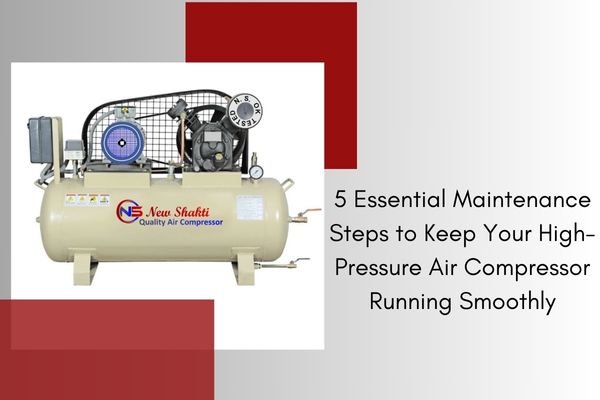

Air Compressor System Design: Best Practices for Maximum Efficiency
Why Air Compressor System Design Matters
Many industries focus only on buying a powerful air compressor, but system design determines how efficiently that compressed air is generated, stored, and delivered. Poor design leads to:
- Excessive power consumption
- Pressure drops
- Frequent spare part replacement
- Unplanned downtime
A well-engineered air compressor system ensures consistent performance and long-term savings.
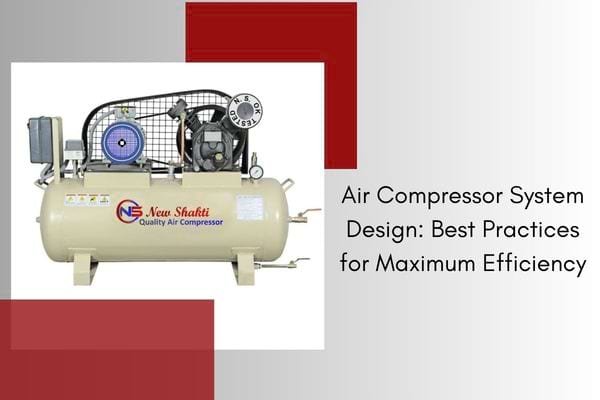
Key Components of an Efficient Air Compressor System
An optimized system integrates multiple components working together:
- Air Compressor
- Air Receiver Tank
- Air Dryers & Filters
- Distribution Piping
- Pressure Regulators
- Air Compressor Spare Parts
👉 Related reading:
Best Practices for Air Compressor System Design
1. Select the Right Air Compressor Type
Choosing the correct compressor is the foundation of system efficiency:
- Reciprocating compressors for intermittent use
- Rotary screw compressors for continuous industrial operations
- High pressure air compressors for PET, testing, and specialized applications
Explore industrial models here: 👉 Air Compressor Manufacturer in India
2. Proper Air Receiver Tank Placement
Receiver tanks should be placed:
- Close to high-demand points
- After the compressor and before air dryers
This minimizes pressure fluctuations and reduces compressor load.
👉 Learn more: Air Receiver Tank Sizing: How to Calculate the Right Capacity
3. Optimize Operating Pressure
Running compressors at higher pressure than required wastes energy. Every 1 bar increase raises power consumption by approximately 7–10%.
Best practice:
- Set pressure only as high as necessary
- Use regulators at point-of-use
4. Design Piping for Minimum Pressure Drop
Incorrect piping design is a common efficiency killer.
Avoid:
- Long, narrow pipelines
- Sharp bends and dead ends
Use:
- Correct pipe diameter
- Loop systems for uniform pressure
This reduces strain on compressors and extends spare part life.
5. Integrate Moisture & Contaminant Control
Moisture damages pneumatic tools and compressor components. A proper system includes:
- Aftercoolers
- Air dryers
- Filters
This protects critical air compressor spare parts and improves air quality.
👉 Spare parts solutions: Air Compressor Spare Parts Supplier
Energy Efficiency Starts with Smart Design
An optimized system:
- Reduces compressor cycling
- Lowers power consumption
- Improves air quality
- Minimizes maintenance costs
Many energy losses occur outside the compressor itself — in piping, pressure management, and storage.
Common System Design Mistakes to Avoid
- ❌ Undersized receiver tanks
- ❌ Excessive pressure settings
- ❌ Poor pipeline layout
- ❌ Ignoring air leaks
- ❌ Using non-genuine spare parts
Each of these increases operational cost over time.
Industry Applications of Optimized Air Compressor Systems
Well-designed systems are essential in:
- Manufacturing plants
- Food & beverage processing
- Pharmaceutical units
- PET bottle blowing
- Automotive workshops
- Packaging and automation industries
Interested in Our
Air Compressor & Spare Parts
Explore our extensive range of Industrial Compressor, including service and a robust support network, along with genuine Compressor Spare Parts designed to fulfill your exact requirements.
Get Best QuoteWhy Choose a Manufacturer-Driven System Approach
As an air compressor manufacturer, supplier, and exporter, we design systems that:
- Match actual air demand
- Reduce lifecycle costs
- Support future expansion
- Ensure compatibility of all components
Manufacturer-guided system design ensures long-term reliability and consistent performance.
Conclusion: Design Once, Benefit for Years
Air compressor system design is a long-term investment. When done right, it improves efficiency, lowers energy costs, and protects expensive spare parts. Industries that prioritize system design over quick fixes consistently achieve better operational outcomes.