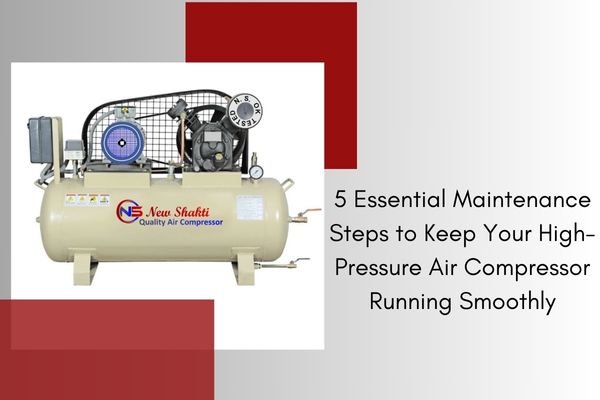

Air Receiver Tank Pressure Testing & Safety Standards Explained
Introduction: Why Air Receiver Tank Safety Cannot Be Ignored
In any compressed air system, the air receiver tank acts as a pressure buffer, storing compressed air and stabilizing fluctuations. While it improves system efficiency, it also operates under high pressure, making safety and compliance non-negotiable.
Improperly tested or poorly maintained air receiver tanks can lead to pressure failure, equipment damage, downtime, and serious safety hazards. That’s why pressure testing and adherence to safety standards are essential for every industrial setup.
As an air compressor and air receiver tank manufacturer, supplier, and exporter, we design systems that meet global safety norms while delivering consistent performance.
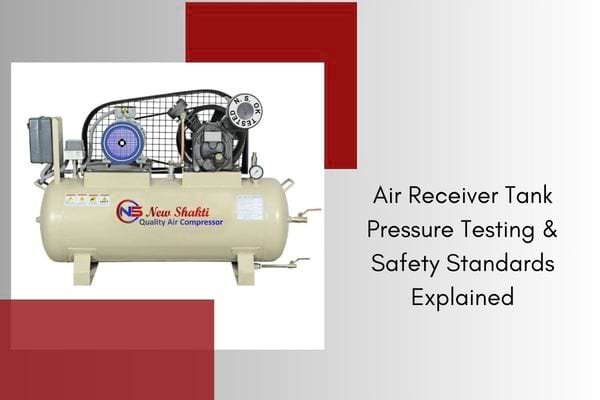
What Is Pressure Testing for Air Receiver Tanks?
Pressure testing is the process of verifying that an air receiver tank can safely withstand its rated working pressure without leakage, deformation, or structural failure.
It ensures that the tank is:
- Structurally sound
- Leak-free
- Safe for long-term industrial use
Pressure testing is typically conducted during manufacturing, installation, and at scheduled intervals during the tank’s service life.
Types of Pressure Testing Methods
Hydrostatic Pressure Testing
This is the most common and safest method used by manufacturers.
-
The tank is filled with water
-
Pressure is applied above the working limit
-
Any leaks or weaknesses are easily detected
Why it’s preferred: Water does not compress like air, making it far safer during testing.
2. Pneumatic Pressure Testing
In this method, compressed air or gas is used.
-
Requires extreme caution
-
Typically used only when hydro testing is not possible
Due to higher risk, pneumatic testing is done under strict supervision and safety protocols.
3. Routine In-Service Testing
Over time, air receiver tanks may weaken due to corrosion, moisture, or pressure cycles. Periodic inspection helps identify early signs of failure before they become critical.
Key Safety Standards for Air Receiver Tanks
Air receiver tanks must comply with national and international safety regulations. Commonly followed standards include:
-
ASME Section VIII – Pressure vessel design and fabrication
-
IS 2825 / IS 12235 – Indian standards for unfired pressure vessels
-
CE Certification – For export and European compliance
-
Factory Act Compliance – Mandatory for industrial installations
As a global exporter, manufacturing to these standards ensures acceptance across industries and regions.
Essential Safety Components in Air Receiver Tanks
A properly designed air receiver tank includes multiple safety features:
-
Pressure Relief Valve: Prevents over-pressurization
-
Pressure Gauge: Allows real-time monitoring
-
Auto Drain Valve: Removes moisture buildup
-
Manhole / Inspection Port: Enables internal inspection
-
Non-Return Valve: Prevents pressure backflow
Each of these components plays a vital role in maintaining compressed air system safety and reliability.
Why Pressure Testing Is Critical for Compressed Air Systems
Skipping or delaying pressure testing can result in:
Sudden tank rupture
Air pressure instability
Damage to air compressors and spare parts
Increased maintenance costs
Serious safety hazards to workers
Regular testing ensures:
✅ Stable air pressure
✅ Longer equipment life
✅ Compliance with legal norms
✅ Reduced downtime
Interested in Our
Air Compressor & Spare Parts
Explore our extensive range of Industrial Compressor, including service and a robust support network, along with genuine Compressor Spare Parts designed to fulfill your exact requirements.
Get Best QuoteMaintenance Best Practices for Air Receiver Tanks
To extend tank life and ensure safety:
-
Drain condensate daily or automatically
-
Inspect internal corrosion periodically
-
Test pressure relief valves regularly
-
Check weld joints and surface cracks
-
Replace worn spare parts immediately
Using manufacturer-approved air compressor spare parts ensures compatibility and safety across the system.
Choosing the Right Air Receiver Tank Manufacturer
ISO-certified manufacturing facilities
-
Compliance with pressure vessel standards
-
Custom sizing based on CFM & PSI requirements
-
Availability of spare parts and after-sales support
-
Export-grade documentation and testing reports
Conclusion: Safety Is an Investment, Not an Expense
Air receiver tank pressure testing and safety compliance are not optional — they are fundamental to any compressed air system. Proper testing, certified manufacturing, and routine maintenance protect both equipment and people.
By investing in quality-tested air receiver tanks and genuine compressor spare parts, industries can achieve safer operations, better efficiency, and long-term cost savings.